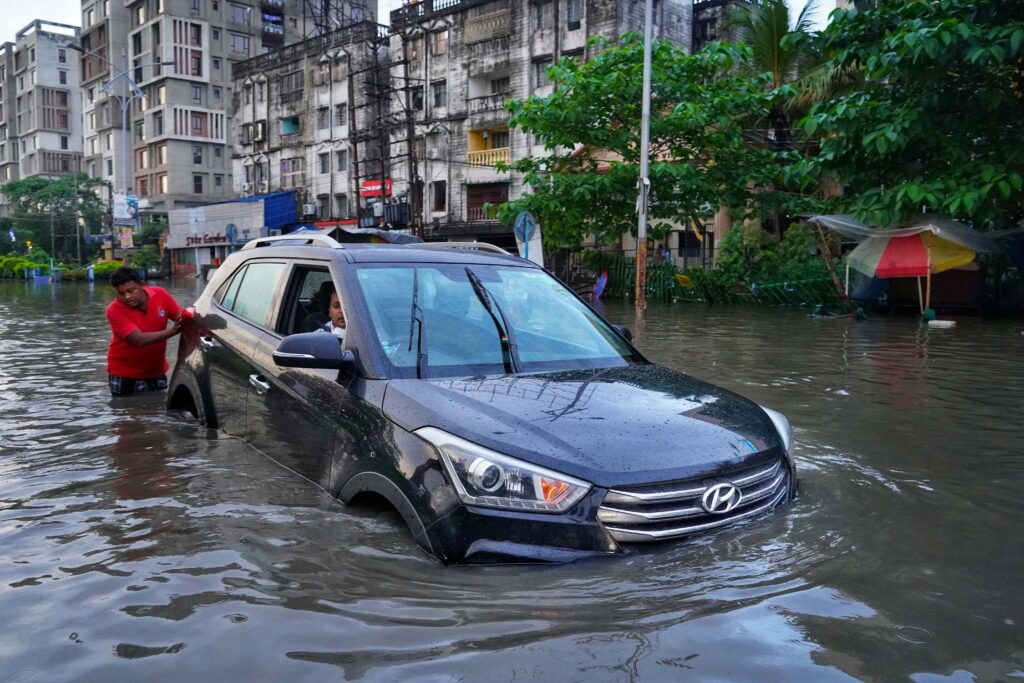
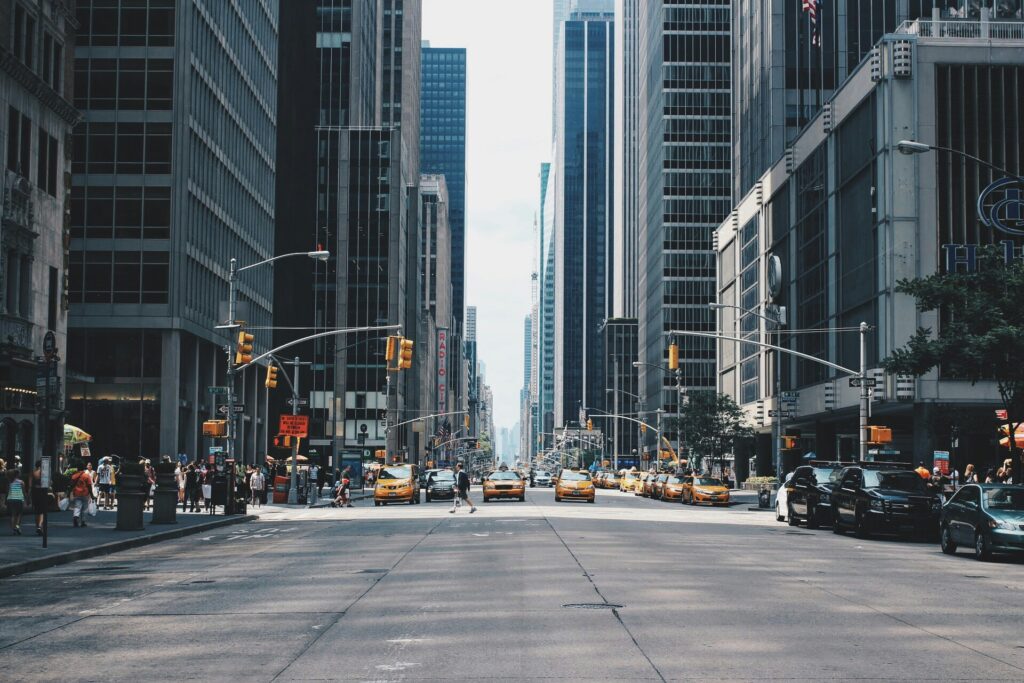
Concrete is an essential material used in construction projects around the world, but it comes with a significant environmental cost. One of the most significant impacts of concrete is its effect on underground water levels. When concrete is used to construct buildings, roads, and other infrastructure, it prevents water from seeping into the ground, which can lead to a decline in groundwater levels. This decline in groundwater levels can have severe consequences, including droughts, land subsidence, and damage to ecosystems. In this article, we will explore how decreasing the use of concrete can help restore underground water levels.
Underground water, also known as groundwater, is the water that seeps into the ground and is stored in aquifers. It is an essential source of water for agriculture, industry, and domestic use. However, the use of concrete has led to a decline in groundwater levels around the world. When concrete is used to construct buildings, roads, and other infrastructure, it creates impermeable surfaces that prevent water from seeping into the ground. This leads to a reduction in the amount of water that can be stored in aquifers, which can have serious consequences for communities that rely on groundwater.
To restore underground water levels, it is essential to decrease the use of concrete. One way to achieve this is by using alternative materials in construction projects. For example, architects and engineers can use natural materials such as wood, bamboo, and straw to build sustainable structures. These materials are renewable, biodegradable, and have a lower environmental impact than concrete. They can also be used to create permeable surfaces that allow water to seep into the ground, helping to restore underground water levels.
Another way to decrease the use of concrete is to promote sustainable urban design. This involves designing cities and towns that prioritize green spaces, such as parks and gardens, over concrete surfaces. Green spaces can absorb rainwater and allow it to seep into the ground, helping to replenish groundwater levels. This approach can also improve the quality of life for urban residents by providing them with access to green spaces.
In addition to promoting sustainable urban design, it is also essential to raise awareness about the importance of groundwater conservation. This can be achieved by educating the public about the consequences of declining groundwater levels and promoting water-saving measures. For example, communities can implement rainwater harvesting systems that capture rainwater and store it for later use. This can reduce the demand for groundwater and help to restore underground water levels.
In conclusion, decreasing the use of concrete is essential for restoring underground water levels. By promoting sustainable construction practices, sustainable urban design, and water-saving measures, we can reduce the impact of concrete on groundwater resources. It is up to all of us to take action to protect our precious water resources and ensure that they are available for future generations.